
In the high-stakes world of 2026 fitness, recovery is no longer just "rest days" and protein shakes. From elite marathoners to weekend CrossFit enthusiasts, the focus has shifted toward biological optimization. Central to this revolution is CBD for post-workout recovery, a plant-based intervention that has moved from the fringes of "stoner culture" to the center of sports science.
As an athlete, your progress isn't made in the gym; it’s made in the hours after you leave. This guide breaks down the science, the timing, and the specific products—like premium CBD tinctures and recovery roll-ons—that can help you bounce back faster than ever.
Why CBD is Becoming an Athlete’s Secret Weapon for Recovery
To understand why you should be using CBD after exercise, you first have to understand why your body hurts. Intense training causes microscopic tears in muscle fibers, leading to a cascade of exercise-induced inflammation. While some inflammation is necessary for growth, excessive or prolonged swelling can hinder your next session.
Understanding the Role of the Endocannabinoid System (ECS) in Fitness
The human body possesses a complex regulatory network known as the Endocannabinoid System (ECS). This system is responsible for maintaining homeostasis—or balance—across various functions, including pain perception, immune response, and sleep.
When you push your limits, your ECS can become overtaxed. CBD (cannabidiol) interacts with CB1 and CB2 receptors, as well as TRPV1 "vanilloid" receptors, to help modulate pain and reduce the overproduction of pro-inflammatory cytokines like IL-1β. By supporting the ECS, CBD helps your body return to its baseline state more efficiently.
CBD vs. Traditional NSAIDs: A Natural Approach to Inflammation
For decades, Ibuprofen and Naproxen (NSAIDs) were the go-to for muscle soreness. however, 2025 research has highlighted the risks of long-term NSAID use, including gastric distress and potential kidney strain. CBD offers a compelling alternative with its anti-inflammatory properties, often providing relief without the harsh side effects associated with synthetic painkillers.
The Science of Reducing Delayed Onset Muscle Soreness (DOMS)
We’ve all felt it—that deep, secondary ache that hits 24 to 48 hours after a heavy leg day. This is Delayed Onset Muscle Soreness (DOMS). Recent clinical trials published in late 2024 and early 2025 have shown that CBD can significantly lower markers of muscle damage, such as creatine kinase (CK) and myoglobin, when administered in a post-workout window.
Choosing the Right CBD Format for Your Fitness Goals
Not all CBD is created equal. The delivery method determines how quickly you feel the effects and how long they last.
| Product Type | Best For | Bioavailability | Key Benefit |
| Topical Roll-ons | Targeted joint/muscle pain | Localized | Fast-acting; bypasses digestion |
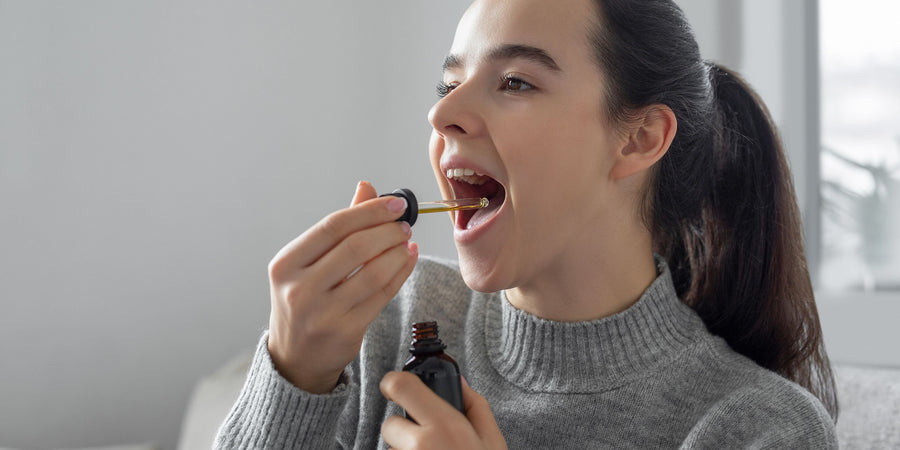
| Nano Tinctures | Systemic recovery & stress | High (Fast) | Rapid absorption via bloodstream |
| CBD Gummies | Sustained relief & sleep | Moderate | Easy dosing; long-lasting effect |
| Full Spectrum Oil | Maximum inflammation support | High | "Entourage Effect" with THC (<0.3%) |
Topical CBD Roll-ons: Targeted Relief for Sore Joints
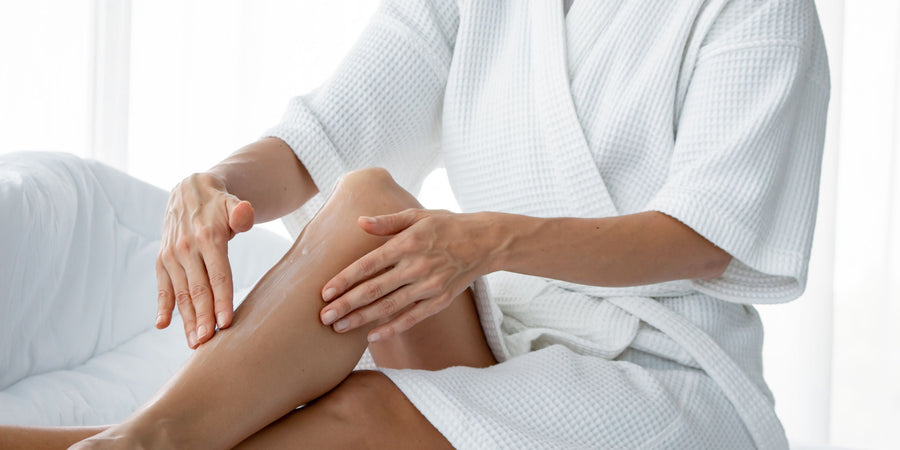
For localized issues like "tennis elbow" or "runner’s knee," topical CBD for sports recovery is the gold standard. By applying a roll-on directly to the skin, you deliver cannabinoids to the specific area of discomfort. Most premium CBD recovery roll-ons also include cooling agents like menthol or warming agents like camphor to provide immediate sensory relief while the CBD works on a deeper level.

Nano-Emulsified CBD: Why Bioavailability Matters
In 2026, the biggest trend in CBD tech is nano-emulsification. Standard CBD oil has large molecules that the body struggles to absorb. Nano-CBD breaks these down into microscopic particles, significantly increasing bioavailability. This means you can take a smaller dose and feel the effects much faster—essential for that 30-minute post-gym recovery window.
Step-by-Step: How to Use CBD After Your Workout
1. Timing Your Dose
The "Anabolic Window" isn't just for protein. For maximum efficacy, aim to use your CBD within 30 to 60 minutes of finishing your session. This is when your body is most primed for nutrient uptake and inflammatory modulation.
2. How to Apply CBD Topicals
Don't just dab it on. For maximum muscle repair, massage the cream or oil into the muscle for at least 60 seconds. This increases blood flow to the area, further aiding in muscle regeneration.
3. Finding Your Ideal CBD Dosage
CBD dosage for recovery is highly individual. A general rule for 2026 is the "Weight-Potency Method":
- Low Impact (Mild Soreness): 0.2mg of CBD per kg of body weight.
- Medium Impact (Heavy Lifting): 0.7mg of CBD per kg of body weight.
- High Impact (Marathon/Triathlon): 1.3mg+ of CBD per kg of body weight.
-
Example: An 80kg (176lb) athlete looking for medium-strength relief would need approx. 56mg of CBD.
Is CBD Safe for Competitive Athletes?
As of the 2026 WADA Prohibited List, CBD remains the only cannabinoid permitted for use in-competition. However, athletes must exercise caution.
The THC Risk: Many "Full Spectrum" products contain trace amounts of THC. While legal (under 0.3%), this can accumulate and potentially trigger a positive drug test.
Broad Spectrum vs. Isolate: If you are a drug-tested athlete, look for Broad Spectrum CBD or CBD Isolate, which have the THC filtered out.
The Importance of COAs: Never buy CBD recovery products without checking the Third-Party Lab Results (COA). These certificates ensure the product contains exactly what is on the label and is free from heavy metals or pesticides.
Practical Benefits Beyond Muscle Repair
Improving Sleep Quality for Enhanced Recovery
Muscle isn't built in the gym; it's built while you sleep. By lowering cortisol levels and promoting relaxation, CBD helps you fall into deep, REM sleep—the phase where the majority of tissue growth and repair occurs.
Supporting Joint Mobility and Flexibility
Chronic inflammation can lead to stiff joints. Regular use of topical CBD helps maintain joint mobility, ensuring that yesterday's workout doesn't prevent you from hitting your PR tomorrow.
Frequently Asked Questions (FAQ)
Q: How long does it take for CBD to work for muscle pain?
A: Topicals usually take 15–30 minutes for localized relief. Sublingual tinctures take 20–40 minutes, while edibles (gummies) can take up to 90 minutes.
Q: Should I use CBD before or after a workout?
A: While CBD can be used before a workout to manage anxiety or pre-existing pain, it is most effective after exercise to support the body’s natural inflammatory response and recovery process.
Q: Will CBD show up on a drug test?
A: Pure CBD will not. However, some full-spectrum products contain trace THC. Tested athletes should opt for "Broad Spectrum" or "THC-Free" products and always verify with a COA.
Q: Can I mix CBD with my post-workout protein shake?
A: Absolutely. Adding CBD oil for muscle recovery to a fat-containing shake (like one with almond milk or avocado) actually increases absorption because CBD is fat-soluble.
Build Your 2026 Recovery Protocol
Whether you’re aiming for the podium or just trying to get through your morning jog without knee pain, CBD is a versatile, science-backed tool for the modern athlete. By combining fast-acting nano tinctures with targeted topicals, you can address recovery from every angle.
Ready to level up your recovery? [Shop our Athlete-Approved CBD Collection] today and experience the difference that lab-tested, premium hemp can make.