
When you consume CBD, whether through a gummy, a tincture, or a vape, you aren't just "taking a supplement." You are initiating a complex biochemical sequence that involves molecular transport, enzymatic breakdown, and systemic circulation.
At BloomStem, we believe that understanding the pharmacokinetics (the study of how the body moves medicine) of CBD is the key to getting the results you actually want. This masterclass dives deep into the technical journey of the CBD molecule—from administration to the moment it hits your endocannabinoid receptors.
Understanding Bioavailability: The Science of "Effective Dose"
In the world of pharmacology, bioavailability is the most important metric you’ve likely never heard of. It refers to the percentage of a substance that successfully reaches your systemic circulation and is available to be used by the body.
What is CBD Bioavailability and Why Does It Matter?
If you take a 50mg CBD gummy, you might assume 50mg is working in your system. In reality, because of the digestive path, you might only "keep" 3mg to 9mg. This discrepancy is known as the "effective dose." Understanding bioavailability allows you to choose delivery methods that provide the best value for your health needs.
The Solubility Challenge: Why Cannabinoids are Hydrophobic
CBD is lipophilic (fat-soluble) and hydrophobic (it repels water). Since the human body is roughly 60% water, the CBD molecule faces a significant barrier to entry. To enter the bloodstream, CBD must be effectively "carried" through aqueous environments like your saliva, stomach acid, and blood plasma.
The Biological Journey: How CBD Travels Through the Body
The moment CBD enters your body, its journey depends entirely on the "gate" it uses to get in.

Ingestion and the Digestive Path: The Role of the Stomach and Intestines
When you swallow a CBD capsule or edible, it travels through the esophagus into the stomach. Here, it is subjected to harsh stomach acids and digestive enzymes. From there, it moves into the small intestine, where it must cross the intestinal wall into the portal vein.
The First-Pass Effect: How the Liver Filters Your CBD
The portal vein carries everything you digest directly to the liver. This is known as first-pass metabolism (or the first-pass effect). The liver acts as the body's security checkpoint.
Hepatic Metabolism and the Cytochrome P450 Enzyme System
Inside the liver, a specific family of enzymes called Cytochrome P450 (CYP450) goes to work. These enzymes "chew up" the CBD molecule, breaking it down into metabolites like 7-OH-CBD. While some metabolites are useful, this process significantly reduces the peak plasma concentration (Cmax) of the original CBD molecule before it ever reaches your bloodstream.
Bypassing the Liver: The Chemistry of Sublingual and Inhalation Delivery
To avoid the "liver tax," many users turn to methods that offer a more direct route to the blood.
Mucosal Membrane Absorption: The Direct Path to Systemic Circulation
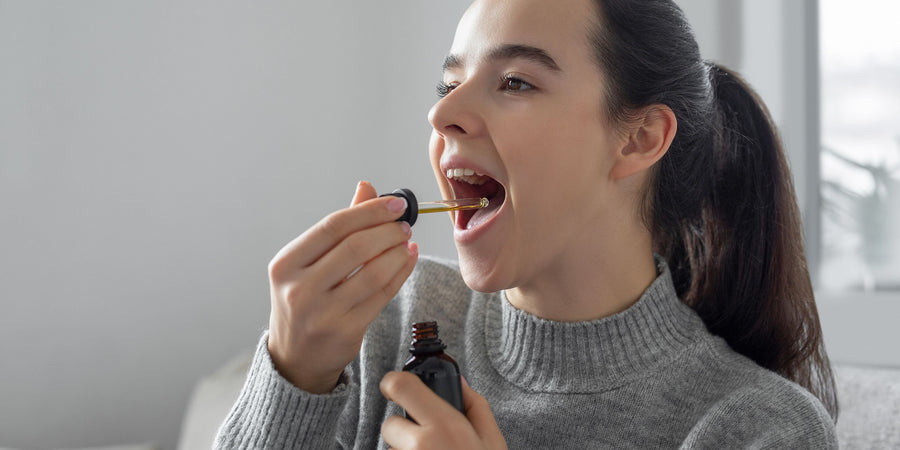
When you use a CBD tincture sublingually (under the tongue), the molecules pass through the thin mucosal membrane. This area is rich in micro-capillaries. By diffusing directly through these membranes, CBD enters the systemic circulation immediately, bypassing the digestive tract and the liver entirely.
Pulmonary Diffusion: The Pharmacokinetics of Vaping and Smoking CBD
Inhalation offers the highest bioavailability, often reaching 31% to 45%. When inhaled, CBD enters the alveoli of the lungs, which have a massive surface area and a direct connection to the bloodstream. This leads to a rapid Tmax (time to maximum concentration), often occurring within minutes.
Why Sublingual Tinctures Offer Higher Peak Plasma Concentration (Cmax)
By avoiding the "one-two punch" of the stomach and liver, sublingual delivery maintains a higher concentration of the "parent" CBD molecule in the blood compared to oral ingestion.
| Delivery Method | Bioavailability Range | Onset Time | Duration of Effect |
| Oral (Gummies/Capsules) | 6% – 19% | 60–120 min | 6–8 hours |
| Sublingual (Tinctures) | 13% – 35% | 15–45 min | 4–6 hours |
| Inhalation (Vapes) | 31% – 56% | 2–10 min | 2–3 hours |
| Topical (Creams) | < 5% (local) | 15–60 min | 2–4 hours |
The Role of Lipids: How Carrier Oils Influence Absorption
Since CBD is fat-soluble, the "carrier" it is dissolved in matters as much as the CBD itself.
MCT vs. Long-Chain Triglycerides: Which is Best for CBD?
Most premium tinctures, including those at BloomStem, use MCT (Medium-Chain Triglyceride) oil. MCTs are absorbed more rapidly by the body because they don't require the same level of bile for breakdown. This acts as a "shuttle," helping the CBD molecule slip through the intestinal wall more efficiently.
Micellization and Nano-Emulsions: The Future of Water-Soluble CBD
Scientists have recently developed nano-emulsified CBD. By breaking the CBD oil into microscopic droplets (micelles), the surface area is increased by thousands of times. This essentially "tricks" the body into treating the oil like water, potentially pushing oral bioavailability up toward 90%.
How Dietary Fats Increase CBD Uptake and Tmax
A 2019 study published in The Journal of Clinical Pharmacology showed that taking CBD with a high-fat meal can increase absorption by up to 4 times. The fats stimulate bile production, which helps solubilize the CBD for better uptake in the small intestine.
Factors Affecting How CBD Interacts with Your Bloodstream
Every person’s "biological chemistry" is unique.
Personal Biology: Metabolism, Body Mass, and Enzyme Activity
If you have a fast metabolism or a high concentration of CYP450 enzymes, you may process CBD more quickly, requiring a different dosing schedule. Your body mass index (BMI) also plays a role, as CBD is stored in fat cells and released slowly over time.
Product Purity: How Terpenes and Flavonoids Create the Entourage Effect
Pure CBD isolate is a solo performer. However, Full-Spectrum CBD includes terpenes like Myrcene and Limonene. These compounds can actually influence blood-brain barrier permeability, allowing cannabinoids to cross into the central nervous system more effectively.
Maximizing Your Results: Scientific Tips for Better CBD Absorption
- Hold it: If using a tincture, hold the oil under your tongue for at least 60 seconds to maximize mucosal absorption.
- Pair with Fats: Take your CBD capsules with a healthy fat source like avocado or nuts.
- Consistency Matters: CBD builds up in the fatty tissues of the body. Regular use leads to a "steady-state" concentration in the blood.
FAQ: Frequently Asked Questions about CBD Absorption
How long does it take for CBD to enter the bloodstream?
This depends on the delivery method. Vaping takes 2-10 minutes, sublingual takes 15-45 minutes, and edibles can take 1 to 2 hours.
Why is my CBD not working?
The most common reason is low bioavailability. If you are swallowing a tincture immediately or taking capsules on an empty stomach, you may only be absorbing a tiny fraction of the CBD.
Does CBD stay in your blood?
Yes, but the "half-life" varies. While it can be detected in the blood for several hours, its metabolites may stay in the fatty tissues for days or weeks depending on frequency of use.
What is the best way to take CBD for pain?
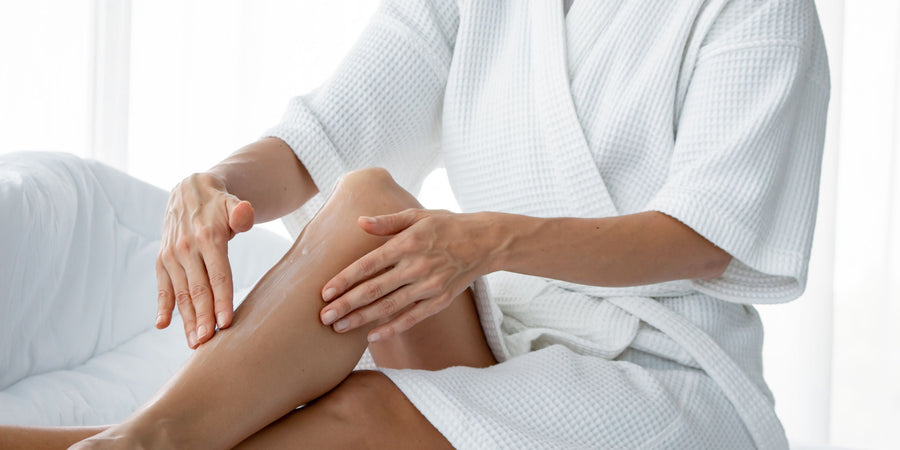
For systemic relief, sublingual tinctures offer the best balance of fast onset and high bioavailability. For localized joint pain, a topical is often better as it bypasses the blood entirely to target specific receptors in the skin.
Conclusion: Choosing the Right Delivery Method for Your Needs
The chemistry of CBD is a fascinating dance between molecular structure and human biology. By choosing high-quality, lab-tested products from BloomStem, you are ensuring that your "Effective Dose" is as high as possible. Whether you choose the rapid delivery of a vape or the slow-and-steady support of an edible, understanding the science of the bloodstream helps you live your life in full bloom.