

CBGA (Cannabigerolic Acid)
The Mother Cannabinoid
CBGA (Cannabigerolic Acid) is the chemical precursor to THC, CBD, and CBC. As the plant matures, enzymes convert CBGA into these other compounds, leaving only trace amounts of CBG.
Chemical role
Precursor to THC, CBD, and CBC
Conversion process
Enzymatic transformation during plant maturation
Final concentration
Trace amounts of CBG remain
Key Biological Mechanisms
Adrenoceptor Interaction
Unlike CBD, CBG is a potent α2-adrenoceptor agonist and a moderate 5-HT1A antagonist, giving it unique potential for blood pressure regulation and cognitive focus.
Direct Receptor Affinity
CBG has a higher binding affinity for both CB1 and CB2 receptors compared to CBD, making it more "active" in the endocannabinoid system.
Latest 2025–2026 Research Highlights
Breakthrough studies in CBG research
Dermatological Breakthrough
A landmark study published in MDPI demonstrated that topical CBG acts as a dual-pathway modulator in skin conditions like rosacea. It significantly reduced erythema (redness) by suppressing the JAK/STAT and YAP/TAZ signaling pathways.
Cancer Research
Research in PubMed found that CBG exhibits a high affinity for HER2-tyrosine kinase, suggesting it may inhibit the growth of certain ovarian cancer cells in adjunct therapy settings.
Blog posts
View all-

Breast Cancer Awareness Month: Our Support
Breast Cancer Awareness Month Standing Together This October Every October, the world turns pink — and at Bloomstem, we're proud to stand with the millions of people touched by...
Breast Cancer Awareness Month: Our Support
Breast Cancer Awareness Month Standing Together This October Every October, the world turns pink — and at Bloomstem, we're proud to stand with the millions of people touched by...
-

CBD Tincture vs Oil: What's the Difference and ...
How to Use CBD · CBD Oil Guides The two words get used interchangeably, and that confuses everyone. Here's the real difference — and exactly how to take a...
CBD Tincture vs Oil: What's the Difference and ...
How to Use CBD · CBD Oil Guides The two words get used interchangeably, and that confuses everyone. Here's the real difference — and exactly how to take a...
-

CBD for Post-Workout Recovery: What the Researc...
How to Use CBD · Fitness & Recovery CBD is everywhere in the gym bag now — but does it actually help you recover, or just feel like it...
CBD for Post-Workout Recovery: What the Researc...
How to Use CBD · Fitness & Recovery CBD is everywhere in the gym bag now — but does it actually help you recover, or just feel like it...


Shop CBG
-
CBD + CBG Tinctures 3000Mg 50/50 Mix Multi Flavor 60ml
Regular price $180.00 USDRegular priceUnit price per -
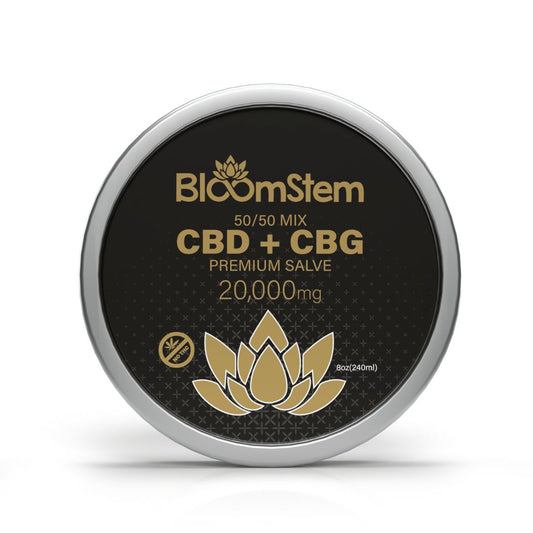
CBD + CBG 20,000MG 50/50 Mix Salve 8oz.
Regular price $690.00 USDRegular priceUnit price per -
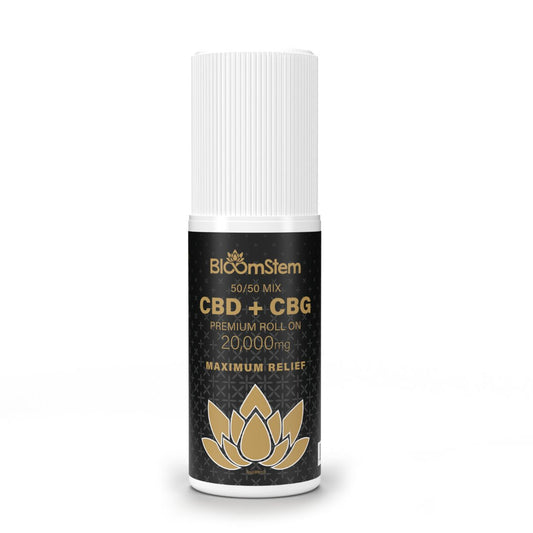
CBD + CBG Roll-On 20,000Mg 50/50 Mix 3 Oz.
Regular price $520.00 USDRegular priceUnit price per -
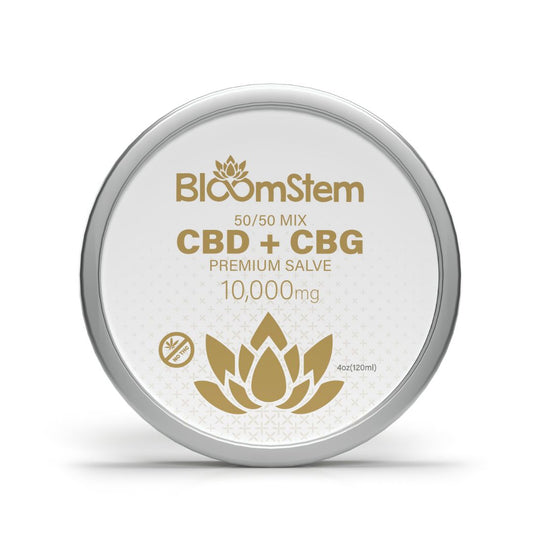
CBD + CBG Salve 10,000mg 50/50 Mix - 4 Oz
Regular price $480.00 USDRegular priceUnit price per