
The landscape of neurological wellness has shifted dramatically. As we move through 2025, cannabidiol (CBD) is no longer viewed merely as an "alternative" option but as a scientifically validated tool for seizure management. With over 70 million people worldwide affected by epilepsy, and nearly one-third of them suffering from drug-resistant epilepsy (DRE), the need for precise, high-potency cannabinoid therapy has never been greater.
At BloomStem, we believe in bridging the gap between clinical research and everyday wellness. This guide explores the sophisticated chemistry of how CBD stabilizes the brain and why the quality of your extract determines the success of your protocol.
Understanding the Medical Landscape: CBD and Seizure Disorders
The journey of CBD from a "forbidden plant" to a medical breakthrough reached a fever pitch with the 2018 FDA approval of Epidiolex. However, science has evolved significantly since then.
What the Research Says: CBD as an Anticonvulsant
Clinical data as of 2025 shows that CBD consistently reduces seizure frequency across diverse etiologies. Meta-analyses of randomized controlled trials (RCTs) reveal that approximately 43% of patients achieve a 50% or greater reduction in monthly convulsive seizures. Even more striking is that 11.5% of patients in specific clinical settings achieve complete seizure freedom when adding CBD to their existing regimen.
The FDA Factor: Epidiolex vs. Over-the-Counter CBD Products
It is vital to distinguish between pharmaceutical-grade CBD and consumer products. Epidiolex is a 99% pure CBD isolate used for severe syndromes like Dravet and Lennox-Gastaut. However, many users turn to "artisanal" or high-quality consumer extracts like BloomStem because they seek the Entourage Effect—the synergistic benefit of the whole hemp plant that purified isolates lack.
Common Seizure Types Addressed in Clinical CBD Studies
While early research focused on rare pediatric syndromes, 2025 studies published in Neurology have expanded to include:
- Focal/Multifocal Epilepsy: Seizures starting in one area of the brain.
- Primary Generalized Epilepsy: Seizures affecting both sides of the brain from the start.
- Tuberous Sclerosis Complex (TSC): A genetic disorder causing non-cancerous tumors that lead to frequent seizures.
The Neurology of Relief: How CBD Interacts with the Brain
To understand how CBD helps, we must look at the brain's "electrical grid." A seizure is essentially an electrical storm caused by an imbalance between excitatory and inhibitory signals.
The GPR55 Pathway: How CBD Acts as a Neural "Circuit Breaker"
The most significant discovery in 2025 research involves the GPR55 receptor. In an epileptic brain, a lipid called lysophosphatidylinositol (LPI) binds to GPR55, which "cranks up" the volume of excitatory glutamate release.
CBD acts as a GPR55 antagonist, effectively blocking LPI from binding. By doing so, it functions as a biological circuit breaker, dampening hyperexcitability and restoring the brain's "Excitatory-to-Inhibitory" (E:I) ratio.
TRPV1 and Ion Channels: Stabilizing Electrical Activity in Neurons
CBD also targets TRPV1 receptors (Transient Receptor Potential Vanilloid 1). Initially, CBD activates these channels, but it quickly leads to their desensitization. This desensitization prevents the massive influx of calcium into neurons that often triggers the rapid, synchronous firing characteristic of a seizure.
The Role of the Endocannabinoid System in Neuroprotection
Beyond stopping seizures, CBD supports "Homeostasis." It inhibits the FAAH enzyme, which slows the breakdown of your body's natural "bliss molecule," Anandamide. Higher levels of internal endocannabinoids help the nervous system recover more quickly from the inflammatory stress caused by seizure activity.
Full-Spectrum CBD vs. Isolate for Seizure Management
Choosing the right extract is the difference between a "money-making" investment in your health and a wasted dose.
The Entourage Effect: Why Minor Cannabinoids and Terpenes Matter
A groundbreaking 2024 study suggests that Broad-Spectrum and Full-Spectrum formulations may be more effective than pure isolates at lower doses. This is due to the Entourage Effect, where minor cannabinoids like CBG and CBC, along with terpenes like Linalool (known for its anticonvulsant properties), amplify the therapeutic window of CBD.
Comparing Absorption: Why High-Potency Tinctures Are the Gold Standard
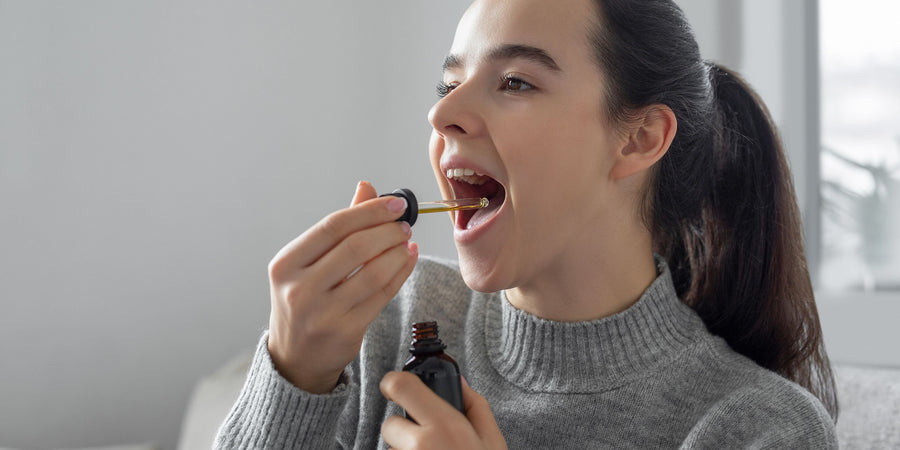
For neurological conditions, consistency and potency are paramount. Because seizure protocols often require high daily milligram counts, high-potency full-spectrum tinctures are the most cost-effective and bioavailable delivery method.
| Feature | CBD Isolate | BloomStem Full-Spectrum |
| Purity | 99% Pure CBD | Whole-Plant Extract |
| Terpenes | None | Linalool, Myrcene, Pinene |
| THC Content | 0.0% | <0.3% (Legal Limit) |
| Synergy | Low | High (Entourage Effect) |
| Best For | Drug Tests | Maximum Neurological Support |
Safe Implementation: Dosage, Interactions, and Side Effects
You must treat CBD as a bioactive compound that interacts with other medications.
Calculating Your Protocol: From Micro-Dosing to Therapeutic Levels
In clinical trials, doses start at 2.5 mg/kg of body weight and can increase to 20 mg/kg.
- For a 150lb Adult: A therapeutic dose could range from 170mg to 1,300mg per day.
- Recommendation: Start low (25mg–50mg) and increase slowly every 3 days while logging seizure frequency in a journal.
Potential Drug Interactions: CBD and the Cytochrome P450 System
CBD is a potent inhibitor of the CYP2C19 and CYP3A4 enzymes in the liver. These are the same enzymes responsible for breaking down roughly 60% of all pharmaceutical drugs.
- The Clobazam (Onfi) Interaction: This is the most critical interaction. CBD can increase the blood levels of N-desmethylclobazam (clobazam's active metabolite) by 300% to 500%. This can lead to extreme sedation and requires a physician to lower the clobazam dose.
Monitoring Liver Health and Managing Common Side Effects
High doses of CBD can occasionally cause elevated liver transaminases. Common but mild side effects include:
- Somnolence (Sleepiness)
- Decreased appetite
- Diarrhea (often caused by the carrier oil, not the CBD itself)
Quality Matters: How to Source Pharmaceutical-Grade CBD
In an unregulated market, your safety depends on your ability to read a COA (Certificate of Analysis).
Reading the COA: Why Batch-Specific Lab Testing is Mandatory
Never buy a product that doesn't provide a lab report for the specific batch you are holding. Look for:
- Potency: Does it actually contain the mg listed on the bottle?
- Pesticides & Heavy Metals: Hemp is a "bioaccumulator," meaning it sucks toxins out of the soil. You need proof the soil was clean.
- Residual Solvents: Ensure the CO2 extraction process left no butane or ethanol behind.
Sourcing Strategy: Organic Hemp, CO2 Extraction, and Purity Standards
At BloomStem, we utilize Supercritical CO2 Extraction. This "cold" extraction method preserves the delicate terpenes and minor cannabinoids while ensuring a solvent-free final product. Our high-potency 20,000mg Tinctures are designed specifically for those who require a professional-grade neurological protocol.

Frequently Asked Questions (FAQ) About CBD for Seizures
Can CBD oil stop a seizure while it is happening?
There is limited clinical data to support the "rescue" use of CBD oil during an active seizure. Most success is found in prophylactic use (daily dosing) to lower the seizure threshold and prevent the "electrical storm" from starting.
How long does it take for CBD to reduce seizure frequency?
While some see results in the first week, clinical trials typically measure success over a 4 to 12-week period of consistent, daily dosing.
Is it safe to use CBD alongside traditional antiepileptic drugs (AEDs)?
It can be safe, but it requires medical supervision. Because CBD changes how your liver processes AEDs like Valproate or Clobazam, your doctor may need to adjust your prescription dosages to prevent toxicity.
The Future of Cannabinoid Therapy in Neurology
As we look toward the remainder of 2025, the synergy between cannabinoid science and traditional neurology is strengthening. For those navigating the challenges of epilepsy, CBD offers a beacon of hope—not as a "miracle cure," but as a technically sophisticated, neuroprotective tool.
By choosing high-potency, lab-verified extracts and working closely with medical professionals, you can harness the power of the hemp plant to reclaim your quality of life. Explore the BloomStem high-potency today and take the first step toward a more stable, balanced future.