
The market for skin-applied cannabidiol products has exploded in recent years, with 2026 buyer’s guides now highlighting options ranging from 500mg basic formulas to ultra-high-potency 20,000mg salves. But with this growth comes confusion about what these products actually do, whether they’re legal, and how to separate quality from marketing hype. This guide cuts through the noise to give you practical, research-backed information on using these products wisely.
Key Takeaways
- CBD topicals deliver cannabidiol directly to the skin via creams, balms, gels, roll-ons, and patches, targeting localized areas without causing a “high” since standard topicals generally do not cross the blood-brain barrier to produce intoxicating effects
- Most CBD-containing topical products are classified as cosmetics by the FDA—not approved drugsת so their benefits rely on preliminary studies and user reports rather than large-scale clinical trials
- Adverse effects including skin irritation occur in 10-15% of users, and CBD can interact with other drugs by affecting liver enzymes, particularly for those on blood thinners or seizure medications
- Hemp-derived CBD oil topicals with ≤0.3% THC are federally legal across all 50 U.S. states in 2026 under the 2018 Farm Bill, though state rules and labeling requirements still vary
- Always verify products through third-party Certificates of Analysis (COAs), perform patch tests before full use, and avoid applying to broken skin or during pregnancy
What Are CBD Topicals?
CBD topicals are creams, balms, gels, salves, lotions, patches, and roll-ons that contain cannabidiol (CBD) as the active ingredient, responsible for their therapeutic effects. These products are infused with CBD and applied directly to the skin for targeted, localized relief. There are different types of CBD topicals including creams, lotions, balms, salves, roll-ons, and transdermal patches, each suited for specific applications and effects.
Most CBD topicals in 2026 are made with hemp-derived CBD oil from the cannabis sativa plant, containing no more than 0.3% tetrahydrocannabinol (THC) by dry weight. CBD is a chemical compound derived from cannabis sativa, and unlike THC—the main psychoactive component in cannabis—CBD is non-psychoactive and does not cause a “high.”
Common product formats include:
|
Format |
Typical Use |
CBD Range (2026 Market) |
|---|---|---|
|
Pain relief creams |
Joints and muscles |
3,000-10,000mg per container |
|
Cooling roll-ons |
Post-workout recovery |
1,000-3,000mg |
|
Moisturizing lotions |
Dry or irritated skin |
500-2,000mg |
|
Transdermal patches |
Systemic CBD delivery |
20-50mg per patch |
|
Balms and salves |
Targeted spot treatment |
5,000-20,000mg |
The key difference between “topical” and “transdermal” matters. Most over-the-counter CBD topicals act locally on the skin and underlying tissues. Only specialized ‘transdermal’ formulations are designed to penetrate deep enough to reach the bloodstream for body-wide effects, often using penetration enhancers like DMSO or nanoemulsions.
CBD comes in many forms, including oils, tinctures, capsules, patches, vapes, and topical preparations for use on skin. Compared to other products such as CBD oils, extracts, and edibles, topicals are distinct in their method of application and provide localized rather than systemic effects. CBD topicals combine high-potency hemp extract with ingredients like menthol and arnica to maximize relief and skin hydration. These additional ingredients—along with camphor, lidocaine, shea butter, or essential oils—can contribute to perceived effects beyond the CBD itself.
How CBD Topicals Work on the Skin
When you apply a CBD topical, it targets the body’s endocannabinoid system (ECS) present in skin cells, nerve endings, hair follicles, and sebaceous (oil) glands. The effectiveness of CBD topicals comes from their interaction with the body’s endocannabinoid system (ECS), specifically the cannabinoid receptors found throughout the skin, nerves, and muscles.
At a high level, cannabidiol CBD interacts with:
- CB1 and CB2 cannabinoid receptors involved in pain signaling and inflammation
- TRPV1 (vanilloid) receptors responsible for sensing pain and temperature
- PPARγ nuclear receptors regulating lipid metabolism and anti-inflammatory responses
CBD acts on pathways like the TRPV1 receptor, which is responsible for sensing pain and temperature, potentially reducing the perception of discomfort and inflammation. When applied, CBD penetrates the outer skin layers to reach cannabinoid receptors and may reduce the production of pro-inflammatory cytokines, helping to calm inflammatory responses.
Most standard topicals do not enter the bloodstream; instead, they interact with receptors in the skin’s local tissue, providing benefits without psychoactive or psychotropic effects. Standard CBD topicals generally do not cross the blood-brain barrier and therefore do not produce intoxicating or mind-altering effects (a "high"). Skin flux studies show less than 1% absorption for standard balms versus 30-50% for optimized transdermal formulations.
Current research through 2025 suggests potential properties of CBD in skin models:
-
Anti-inflammatory effects (reduced IL-8 in psoriasis models)
-
Antioxidant activity (peroxyl radical scavenging 60% better than vitamin E)
-
CBD demonstrates potent antimicrobial properties, particularly in topical applications, which have been shown to be effective against certain bacteria
However, these findings are preliminary and not FDA-approved indications. More research is needed to confirm these mechanisms in human applications.
Ingredients like lipids, penetration enhancers, and nanoemulsions in CBD-containing products can change how much CBD penetrates the skin and how long it acts. Lipid nanocarriers increase permeation 4-6x, and MCT or jojoba oil penetration enhancers can double flux rates—explaining why different formulas feel very different.
Potential Benefits of CBD Topicals
As of 2026, no over-the-counter CBD topical is FDA-approved to treat disease. Evidence is a mix of early clinical studies, lab research, and user reports rather than large, definitive trials. That said, CBD topicals are effective for managing localized discomfort such as arthritis, muscle soreness, and skincare issues like acne and eczema according to preliminary data.
Localized Pain and Soreness
CBD creams and balms are commonly used for joint discomfort (knees, hands), muscle soreness after exercise, and chronic areas of tension. Topical CBD-infused products, such as oils, lotions, creams, and bath bombs, are popular for reducing inflammation and relieving muscle and joint pain.
A 2022 phase-two double-blinded trial in the Journal of Hand Surgery involving 18 participants with thumb arthritis found topical CBD in shea butter significantly improved self-reported pain (VAS scores dropped from 5.2 to 2.8/10), disability, fatigue, stiffness, anxiety, and grip strength compared to shea butter alone.
CBD can help reduce inflammation and alleviate pain from conditions such as arthritis, joint stiffness, and muscle strains. These products are often combined with menthol or arnica for additive effects.
Inflammatory Skin Concerns
Early research explores CBD for issues like acne, eczema, and psoriasis due to its potential anti-inflammatory and sebum-modulating effects. Small pilots (n=20-50) have noted 35-60% SCORAD improvements for eczema and psoriasis, though results are not conclusive against standard treatments like topical steroids.
CBD’s anti-inflammatory and antioxidant properties can assist in managing acne and reducing redness and signs of aging. Lab studies show CBD reduces sebum production by approximately 25% in acne models via 5α-reductase inhibition.
Neuropathic Applications
Some users report benefits for neuropathic-type pain—burning or tingling in feet and hands,with anecdotal VAS reductions of 25-40%. However, supporting evidence is limited, and people should not delay proper medical evaluation for these symptoms.
Recovery and Wellness Routines
Athletes and fitness enthusiasts use CBD-containing products in massage or recovery routines (post-run, after strength training) for perceived relaxation and comfort. The benefits may involve both CBD’s properties and the massage itself, as placebo-controlled trials show massage alone provides 20-30% pain reduction.
Important distinction: Unlike systemic CBD oil or prescription cannabidiol medicines, topicals are not proven treatments for epilepsy, cancer pain, multiple sclerosis, or other serious conditions. CBD has been shown to be effective in treating certain severe childhood epilepsy syndromes, such as Dravet syndrome and Lennox-Gastaut syndrome, with the FDA approving Epidiolex for these conditions—but this is a prescription cannabidiol product taken orally, not a topical.
Safety, Side Effects, and Interactions
CBD topicals are generally well tolerated when used on intact skin, but “natural” does not mean risk free. Adverse effects are possible, and understanding them helps you use these products safely.
Common Local Side Effects
The most frequent issues are skin reactions:
-
Redness and itching (10-15% incidence with menthol or essential oils)
-
Contact dermatitis
-
Stinging or rash
-
Xerosis (dry skin)
Products containing fragrances, essential oils like lavender (which causes allergic reactions in approximately 8% of people with atopic skin), menthol, or preservatives increase these risks.
Systemic Side Effects
If enough CBD penetrates the skin—especially with large-area application over 100cm² or transdermal patches—systemic side effects similar to oral CBD may occur. Side effects of CBD may include nausea, fatigue, irritability, dry mouth, diarrhea, reduced appetite, and drowsiness.
Potential side effects of CBD include fatigue, diarrhea, and changes in appetite, and it can interact with other medications, particularly blood thinners, by affecting liver enzymes.
Drug Interactions
CBD can interact with other medications by competing for liver enzymes that break down these drugs, which is particularly important for those taking blood thinners, anti-epileptics, or immunosuppressants. CBD potently inhibits CYP3A4 and CYP2C19 enzymes, potentially:
- Elevating warfarin levels (INR increases of 20-50%)
- Increasing clobazam levels by 3x
- Raising SSRI levels like escitalopram (AUC increases of 30%)
- The FDA has expressed concerns about the safety of CBD, highlighting potential risks such as liver damage, gastrointestinal disorders, and interactions with certain medications.
Higher-Risk Groups
Exercise extra caution if you are:
- Pregnant or breastfeeding (unknown fetal/infant risks)
- Living with liver disease (CBD clearance is reduced by half)
- Taking multiple medications (polypharmacy increases interaction risk)
- Managing severe skin allergies or eczema
Avoid applying CBD products to broken, infected, or freshly irritated skin, as absorption can spike 10x, increasing infection risk. Stop use and seek medical attention if you experience severe burning, spreading rash, breathing trouble, or systemic symptoms.
Legality of CBD Topicals in the United States (2026)
In 2018, the U.S. In 2018, the U.S. Congress passed the Agriculture Improvement Act, which removed hemp from the federal Controlled Substances Act, effectively legalizing CBD derived from hemp. This legislation extends to CBD topicals made from compliant hemp containing no more than 0.3% THC by dry weight.This extends to CBD topicals made from compliant hemp containing no more than 0.3% THC by dry weight.
The 2018 Farm Bill made it virtually impossible to keep CBD illegal, as it would be akin to making oranges legal while keeping orange juice illegal, since both are derived from the same plant. Under 7 U.S.C. § 1639o, hemp-derived CBD topicals are now part of a $12.45 billion nutraceutical market growing at 17.6% annually.
State-Level Variations
All 50 states have laws legalizing CBD with varying degrees of restriction. While CBD is legal federally if derived from hemp, some states have not removed hemp from their controlled substances acts, leading to differences in legality across states. Examples include:
- Texas caps THC at 0.0% for certain topicals
- Florida mandates child-resistant packaging
- California has stricter labeling requirements
- Idaho maintains sales restrictions
Marijuana-Derived CBD
CBD from marijuana (cannabis plants with >0.3% THC) remains federally illegal under the controlled substances act but may be permitted for topical use in specific medical cannabis or adult-use programs in states like California, Colorado, and New York.
FDA Position
As of 2023, cannabidiol is not approved as a dietary supplement or medicine for most uses in the United States. While CBD derived from hemp is legal to sell as a cosmetics ingredient, it cannot be sold as an ingredient in food or dietary supplements under federal law. The FDA has allowed certain cosmetic and topical CBD products on the market while monitoring safety, mislabeling, and unsubstantiated drug claims. The agency has issued warning letters to over 50 companies making unapproved medical claims.
The FDA has expressed concerns about the safety of CBD, noting potential risks such as liver damage and adverse effects during pregnancy, as well as the lack of regulation in the CBD market leading to unreliable product labeling.
Always check current state laws, especially if traveling, and carry products in original packaging showing hemp origin and THC content at or below 0.3%.
How to Choose and Use CBD Topicals Wisely
In an unregulated market with documented mislabeling rates of 30% (CBD content 20-50% off-claimed per 2025 tests), consumers must vet CBD products carefully. Many CBD products are not regulated by the FDA, leading to concerns about their purity and the accuracy of their labeling, with studies showing that a significant percentage of products contain less CBD than advertised or include THC.
What to Look for on Labels
|
Element |
What to Check |
|---|---|
|
CBD content |
Total mg per container AND mg per serving; label should specify CBD as the active ingredient and its concentration |
|
Spectrum type |
Full-spectrum, broad-spectrum, or CBD isolate |
|
Hemp source |
U.S.-grown or EU-grown (lower contaminant risk) |
|
THC level |
Must state ≤0.3% for legal hemp products |
|
Ingredients |
Full list including active and inactive ingredients |
Verify with COAs
Topicals should only be purchased from transparent brands that provide a Certificate of Analysis (COA) from a third-party lab to verify potency and purity. Look for:
- COAs less than 6 months old
- ISO 17025 accredited laboratories (e.g., ACS Laboratory)
- Potency verification within ±10%
- THC confirmation at ≤0.3%
- Screening for pesticides (<0.01ppm), heavy metals (<0.5ppm lead), residual solvents, and microbes (<1,000 CFU/g)
Dosing and Application
Start low: Begin with 25-50mg equivalent daily on a 10cm² area. You can slowly increase to 100-200mg, 2-3 times per day if tolerated and beneficial.
How to apply:
- Clean and dry the area first
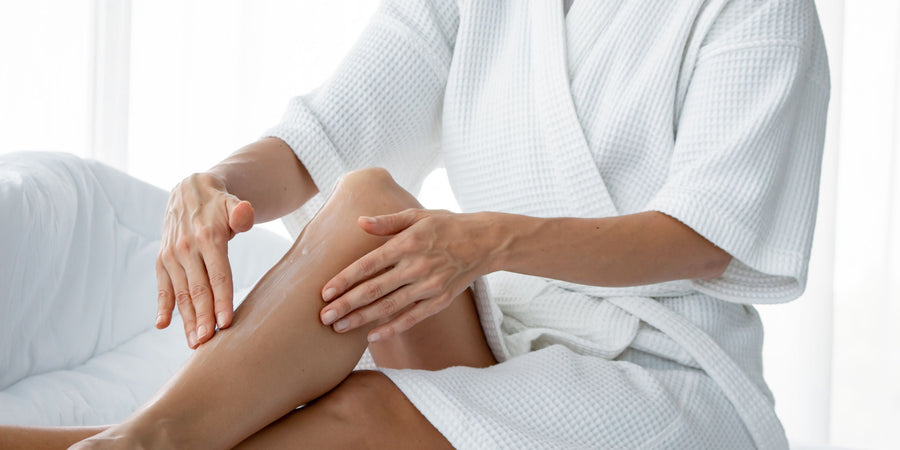
- Massage the CBD topical into the skin until absorbed
- Wash hands afterward (especially before touching eyes)
- Avoid applying immediately before vigorous exercise
Patch Testing
Before full use:
- Apply a pea-sized amount to inner forearm or behind the knee
- Wait 24 hours
- Proceed to larger areas only if there’s no itching, redness, or burning
Red Flags to Avoid
Be aware of products making extreme promises such as “cures arthritis overnight,” “treats cancer,” or “replaces prescription painkillers.” These claims are unproven and signal unreliable companies that may sell products with inaccurate labeling or contaminants.
CBD Topicals vs Other CBD Products
CBD oil, capsules, edibles, vapes, and prescription products deliver CBD throughout the body, whereas topicals mainly act at the surface or near the site of application. Unlike other products such as oils, extracts, and edibles—which are ingested or absorbed systemically—CBD topicals are applied directly to the skin for localized effects. This fundamental difference affects how you should choose between them.
Onset and Duration Comparison
|
Product Type |
Onset Time |
Duration |
Blood CBD Levels |
|---|---|---|---|
|
CBD topicals |
15-45 minutes |
2-6 hours |
<10ng/mL |
|
Sublingual tinctures |
15-30 minutes |
4-6 hours |
100-600ng/mL |
|
Edibles/capsules |
1-2 hours |
6-8 hours |
Variable |
|
Vapes |
5 minutes |
2-4 hours |
200-1,000ng/mL |
CBD topicals, when truly non-transdermal, result in much lower blood levels compared with oral or inhaled CBD use. This may reduce the risk of systemic side effects and drug interactions for localized applications.
Choosing the Right Format
People interested in whole-body effects—such as managing anxiety, improving sleep, or addressing systemic conditions—often choose oral CBD products with high doses. Those with localized issues (one knee, one shoulder) may prefer CBD topicals as a first-line experiment to reduce anxiety about systemic effects.
Regardless of form, CBD affects liver enzymes and can interact with other drugs. Individuals already taking prescription medications should consult their doctor before adding any regular CBD product.
CBD Topicals and Other Drugs: What to Tell Your Doctor
Tell healthcare professionals about all CBD use, including “just a cream.” Even topical CBD-containing products can contribute to overall exposure and affect how other medications work in your body.
When Topicals May Affect Systemic Levels
In some circumstances—large-area application, frequent use, or use of potent transdermal patches—topical CBD could meaningfully add to total CBD levels (50-200ng/mL or higher) and potentially alter how other drugs are metabolized.
Medication Categories of Concern
Be especially careful and consult your doctor if you take:
- Blood thinners (warfarin, heparin)
- Seizure medications (clobazam, valproate)
- Certain antidepressants and antipsychotics (SSRIs, clozapine)
- Immunosuppressants (tacrolimus, cyclosporine)
- Heart rhythm drugs (amiodarone)
Practical Steps for Appointments
- Bring product labels or screenshots of online product pages
- Show clinicians the CBD concentration, formulation type, and any added active ingredients
- Ask whether periodic liver function tests or closer monitoring are appropriate if you plan regular use over large skin areas
People on multiple medications or with liver disease should be particularly diligent about this communication.
Frequently Asked Questions About CBD Topicals
Will CBD topicals show up on a drug test?
Most standard workplace drug tests look for THC or its metabolites, not CBD. Using a hemp-derived CBD topical with ≤0.3% THC applied to intact skin is unlikely to cause a positive test.
However, mislabeling is common in this market. Some CBD products contain more THC than claimed, and high-strength transdermal products or repeated large-area use might theoretically increase risk. People subject to strict testing should choose THC-free (CBD isolate) products with verified COAs and consider the medicine’s source carefully.
Can I use CBD cream for arthritis instead of my prescription medication?
CBD topicals have not been proven to replace disease-modifying or pain medications for arthritis. A recent study showed promising results for hand osteoarthritis, but stopping prescribed drugs without medical guidance can worsen joint damage or systemic disease.
Frame CBD cream as a potential complementary option to discuss with a rheumatologist or primary care provider—not a standalone treatment or cure for severe forms of arthritis.
Is it safe to use CBD topicals during pregnancy or breastfeeding?
There is very limited safety data on CBD use in pregnancy or breastfeeding. Major health agencies currently advise avoiding CBD, including topicals, during these periods because of unknown risks to the fetus or infant. Preclinical data shows placental transfer and potential neurodevelopmental concerns.
Pregnant or breastfeeding individuals should talk with their obstetrician, midwife, or pediatrician before using any CBD-containing products, even if marketed as “pure” or “natural.”
How long does it take for a CBD topical to work, and how often can I use it?
Many users report noticing effects such as warmth, cooling, or relief within 15-45 minutes, but response varies depending on product strength, ingredients, and individual skin characteristics.
Start with use 1-2 times per day on the affected area, following label directions. Don’t exceed the manufacturer’s recommended frequency without consulting a healthcare professional, especially if also using other forms of CBD.
Can I apply CBD topicals together with other over-the-counter creams or medications?
Layering multiple products (CBD cream plus hydrocortisone, capsaicin, or lidocaine) can increase the risk of irritation or unpredictable effects. Some combinations should be supervised by a clinician.
Apply only one active topical medication at a time to the same area unless a healthcare professional specifically recommends and explains a safe combination strategy.
Additional Frequently Asked Questions
Where can I buy legitimate CBD topicals?
Look for companies that sell hemp products through established retail channels or directly through their websites. Reputable brands that sell products containing CBD will prominently display third-party COAs, clearly label THC content, and avoid making unsubstantiated medical claims. Check state legislatures’ websites for any specific requirements in your area regarding where retailers can sell hemp-derived products.
Are CBD topicals the same as hemp seed oil products?
No. Hemp seed oil comes from the seeds of the hemp plant and contains no cannabidiol. CBD topicals contain actual cannabidiol extracted from the flowers, leaves, and stalks of the cannabis plant. Products labeled only as “hemp oil” or “hemp seed oil” without listing CBD content typically don’t contain meaningful amounts of cannabidiol CBD.
Can CBD topicals help with symptoms beyond pain?
While research is ongoing, some studies explore CBD’s effects on various symptoms including skin conditions and localized inflammation. However, for systemic symptoms or conditions requiring treatment throughout the body—such as seizures or generalized anxiety—topical application isn’t the appropriate delivery method. The effects of CBD topicals remain localized, which is both their limitation and their advantage for targeted applications.
Final thoughts: CBD topicals offer a targeted approach to localized discomfort and skincare concerns, but informed choices make all the difference. As the market continues maturing through 2026 and beyond, consumers who verify product quality through COAs, consult healthcare providers about potential interactions, and approach claims with healthy skepticism will get the most benefit from these products.
Start with a patch test, choose verified products from transparent companies, and don’t hesitate to bring your CBD questions to your next doctor’s appointment. Your health deserves both curiosity and caution.