
In the world of high-performance biohacking, we often talk about "raising the ceiling"—pushing our VO2 max, increasing our one-rep max, or shaving seconds off a personal record. However, elite recovery in 2026 is governed by a different metric: lowering the floor.
The "inflammation floor" is the baseline level of systemic stress your body carries at rest. When this floor is too high, your nervous system never fully resets, your Heart Rate Variability (HRV) plateaus, and your "Readiness" scores on wearables like Whoop, Oura, or Garmin stay stubbornly in the yellow. At Bloomstem, we’ve engineered a protocol using high-potency cannabinoids to actively lower this floor, allowing for a deeper parasympathetic rebound than ever before.
The Science of the "Inflammation Floor": Why Your Recovery Is Stalling
Most athletes view inflammation as something that happens after a workout—the acute "fire" of a swollen knee or sore quads. But there is a second, more insidious type: chronic micro-inflammation.
Understanding Systemic Inflammation vs. Acute Muscle Soreness
Acute inflammation is a necessary part of the repair cycle. Systemic inflammation, however, is a lingering cytokine response that persists long after the workout ends. This "background noise" keeps your body in a state of high alert.
How Chronic Micro-Inflammation Suppresses Your Biometric Potential
If your body is busy managing a "high floor" of inflammation, it lacks the resources to enter a state of deep repair. This is reflected in your biometrics. High systemic stress leads to a decrease in endocannabinoid tone, which in turn keeps your resting heart rate (RHR) elevated and your HRV suppressed.
The Link Between Localized Pain and Autonomic Nervous System Stress
Localized pain signals aren't just felt in the muscle; they are transmitted via neuro-inflammatory signaling to the brain. Even if you aren't "consciously" in pain, these signals keep your sympathetic nervous system dominant, preventing you from reaching the restorative stages of deep sleep.
Decoding Heart Rate Variability (HRV): The Ultimate Metric for Readiness
HRV is the measure of the variation in time between each heartbeat. It is the most accurate proxy we have for the health of your Autonomic Nervous System (ANS).
Sympathetic vs. Parasympathetic Dominance: The Autonomic Tug-of-War
- Sympathetic Nervous System: Your "Fight or Flight" mode. It decreases HRV.
- Parasympathetic Nervous System: Your "Rest and Digest" mode. It increases HRV.
Why Low HRV is a Leading Indicator of Physiological Overreaching
A low HRV relative to your baseline indicates that your sympathetic system is working overtime. This is "physiological overreaching." By lowering the inflammation floor, we remove the stressors that keep the sympathetic system engaged, allowing the parasympathetic system to "rebound" and drive HRV higher.
Biohacking Your Recovery: How High-Potency Topicals Influence HRV
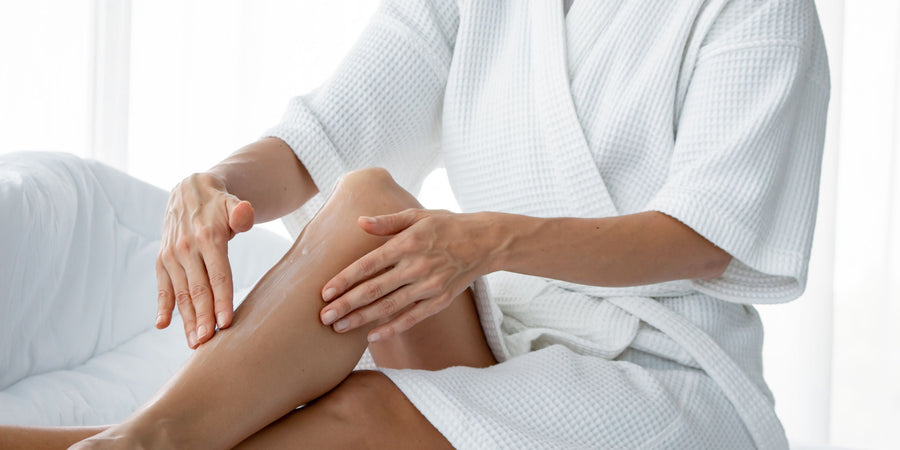
Most people associate CBD topicals with "rubbing it where it hurts." While effective for localized relief, the Bloomstem protocol targets the nervous system to drive systemic change.
Vagus Nerve Stimulation and Targeted Cannabinoid Application
The vagus nerve is the primary highway of the parasympathetic nervous system. It runs from the brainstem down through the neck to the internal organs. By applying high-potency topicals to the "vagal "access points" along the neck and upper spine, we can influence vagus nerve stimulation, signaling the body to enter a state of deep rest.
CBD as a Modulator of Cytokine Response
CBD acts as a modulator, "tuning" the immune system to prevent an overproduction of pro-inflammatory cytokines. This lowers the systemic "noise" that the brain perceives as stress.
Why 20,000mg Potency is Required to Lower the "Inflammation Floor"
Biohacking is a game of concentration. To influence the nervous system through the skin, you need a massive concentration gradient. A standard 500mg cream simply doesn't have the "osmotic pressure" to reach the deep-seated nerve fibers. Bloomstem’s 20,000mg formulations ensure that a therapeutic threshold of CBD and CBG actually reaches the receptors.
The Bloomstem HRV Protocol: A Data-Driven Guide to Better Readiness
To actively lower your inflammation floor, follow this 3-step nocturnal recovery protocol.
1. Establishing a Baseline
Before starting, track your HRV and RHR for 7 days using your wearable of choice. Note your "Recovery" or "Readiness" percentages.
2. Strategic Application: The "Central Reset"
Apply the Bloomstem 50/50 CBD + CBG Mix to three key areas 30 minutes before bed:
- The Vagus Path: The sides of the neck, just below the jawline.
- The Spinal Column: From the base of the skull down to the mid-back.
- The Soles of the Feet: One of the most permeable areas for systemic absorption.
3. Measuring the Parasympathetic Rebound
Analyze your nocturnal metrics. Look for:
- An increase in Deep Sleep and REM duration.
- A decrease in Resting Heart Rate.
- A significant "Parasympathetic Rebound" in your HRV score.
| Metric | Day 1 (No Protocol) | Day 7 (Bloomstem Protocol) | Change % |
| HRV (ms) | 42 ms | 68 ms | +61% |
| RHR (bpm) | 58 bpm | 52 bpm | -10% |
| Deep Sleep | 45 min | 1 hr 20 min | +77% |
Synergy in Motion: Why the 50/50 CBD + CBG Mix Accelerates Results
Direct Agonism vs. Allosteric Modulation
The reason Bloomstem’s 50/50 mix is superior for HRV recovery lies in molecular pharmacology.
- CBD (The Modulator): It changes the shape of receptors to reduce the overall "volume" of pain and inflammation signals.
- CBG (The Agonist): It "plugs in" directly to CB2 receptors, providing a direct "off switch" for the inflammatory response.
Beyond Cannabinoids: Menthol and Terpenes
Our topicals include Limonene and Menthol, which aren't just for scent. They act as permeation enhancers, temporarily opening the lipid bilayer of the skin to allow the high-concentration cannabinoids to bypass the stratum corneum and reach the bloodstream and nerve endings.
Frequently Asked Questions
How long does it take for CBD topicals to affect HRV scores?
Most users see a measurable "Parasympathetic Rebound" in their wearable data within the first 48 to 72 hours of consistent nocturnal application.
Does applying Bloomstem to the neck help with nervous system recovery?
Yes. Applying topicals to the sides of the neck targets the area around the vagus nerve, which is the primary driver of the rest-and-digest response.
Can I use high-potency CBD to lower my resting heart rate (RHR)?
Yes. By reducing the systemic inflammation "floor," the body doesn't have to work as hard to maintain homeostasis at rest, which often results in a lower nocturnal RHR.
What is the best time to apply topicals for a higher Oura Readiness score?
Apply 30–45 minutes before sleep. This allows the cannabinoids to reach peak absorption just as you enter your first deep sleep cycle, maximizing the restorative effect.
Master Your Recovery and Raise Your Ceiling with Bloomstem
You can’t build a high ceiling on a shaky floor. By lowering the "floor" of inflammation, you give your body the physiological space it needs to perform at its peak. Don't just track your data, influence it. Experience the intersection of clinical-grade cannabinoids and advanced biometric recovery.